Masks are falling
Project EduArt is co-founded by the Erasmus+ Programme of the European Union
General information
- Slogan: "Masks are falling"
- Country / City where the offer was designed: Warsaw/Poland
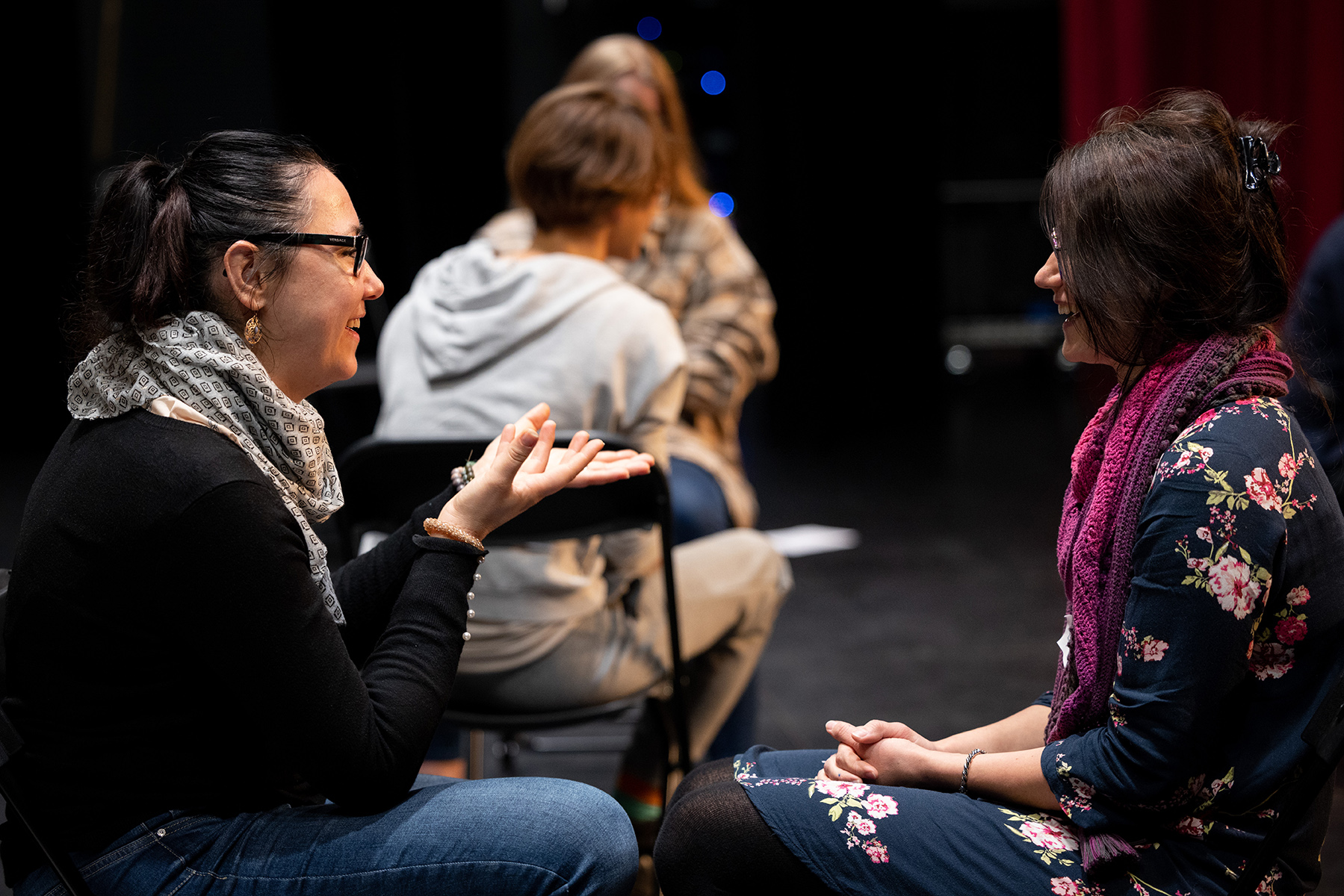
- Location / Space: on the stage of the theatre
- Length: 2 workshops - 1 lasts 7 hours of the workshop during 2 days) + workshop installation, 2 lasts 4 hours
- Type of the used art: Theatre - drama, performing art
- Type of the offer: Workshop / performative training
- Specification of the target group: Adults regardless of age, gender, social group
- Number of participants: from 10 to 15
- Social competences adressed: Communication (non-violent communication, empathic communication), tolerance, diveristy competence
- Personal competences addressed: Empathy, creativity, expressiveness, self-confidance
- Methodological skills and competences adressed: Critical thinking
- Partners: Białołęka Cultural Center
- Tags for the offer: #Empathiccommunication, #drama, #theatre, #communication, #storytelling
Narrative description of the offer
- How the mask is used
The interpretation of the slogan “Masks are falling” was on a symbolic level – it referred to social roles and various masks that we put on in everyday life and relations.
Workshop 1: The questions: What mask do you wear when communicating with others? Are we ourselves while communicating? were the starting point for the workshop.
Workshop 2: The starting point for conducting the workshop was the question: “In what mask do I tell a story about myself? Under what mask do I listen to others?”


- Learning content
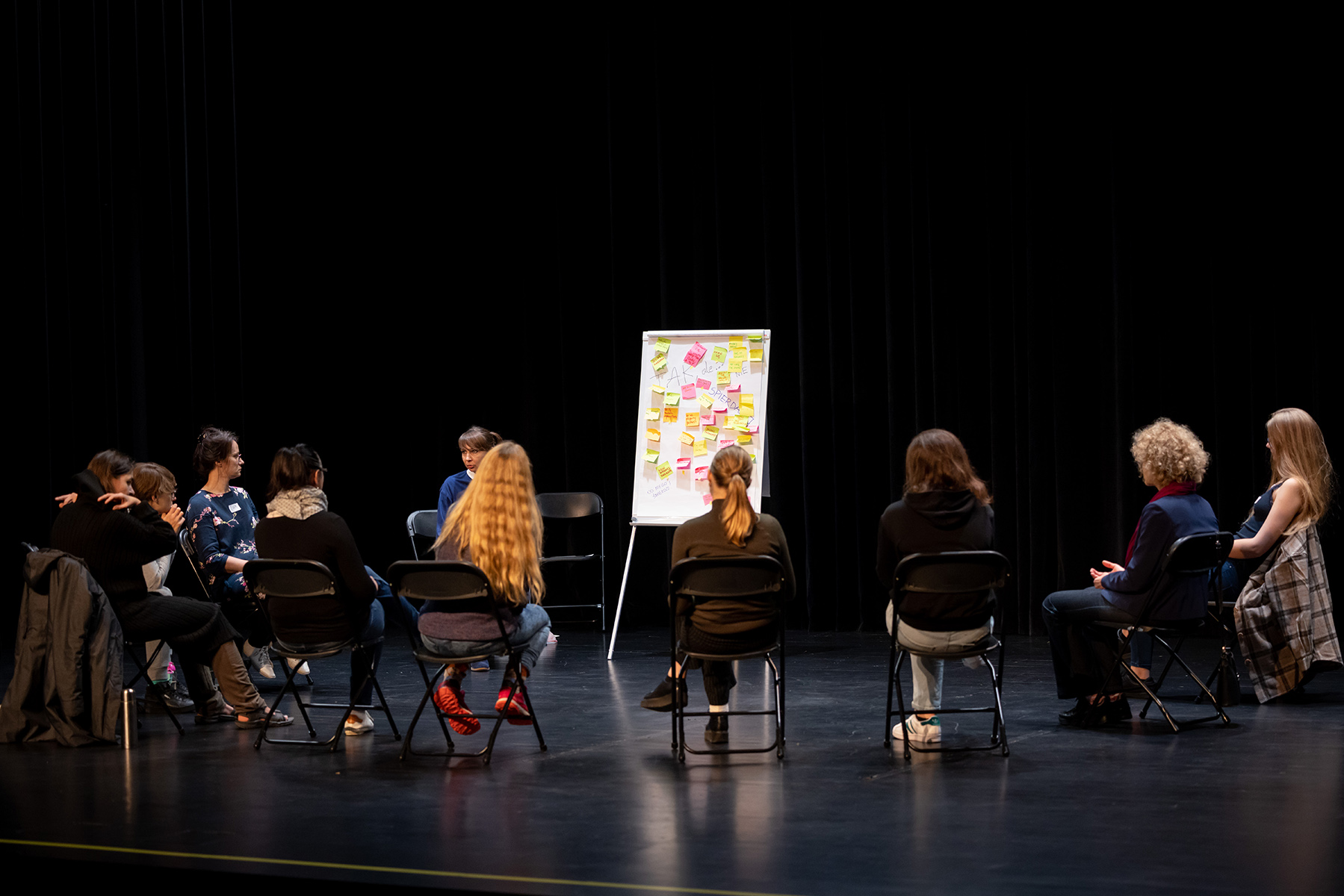
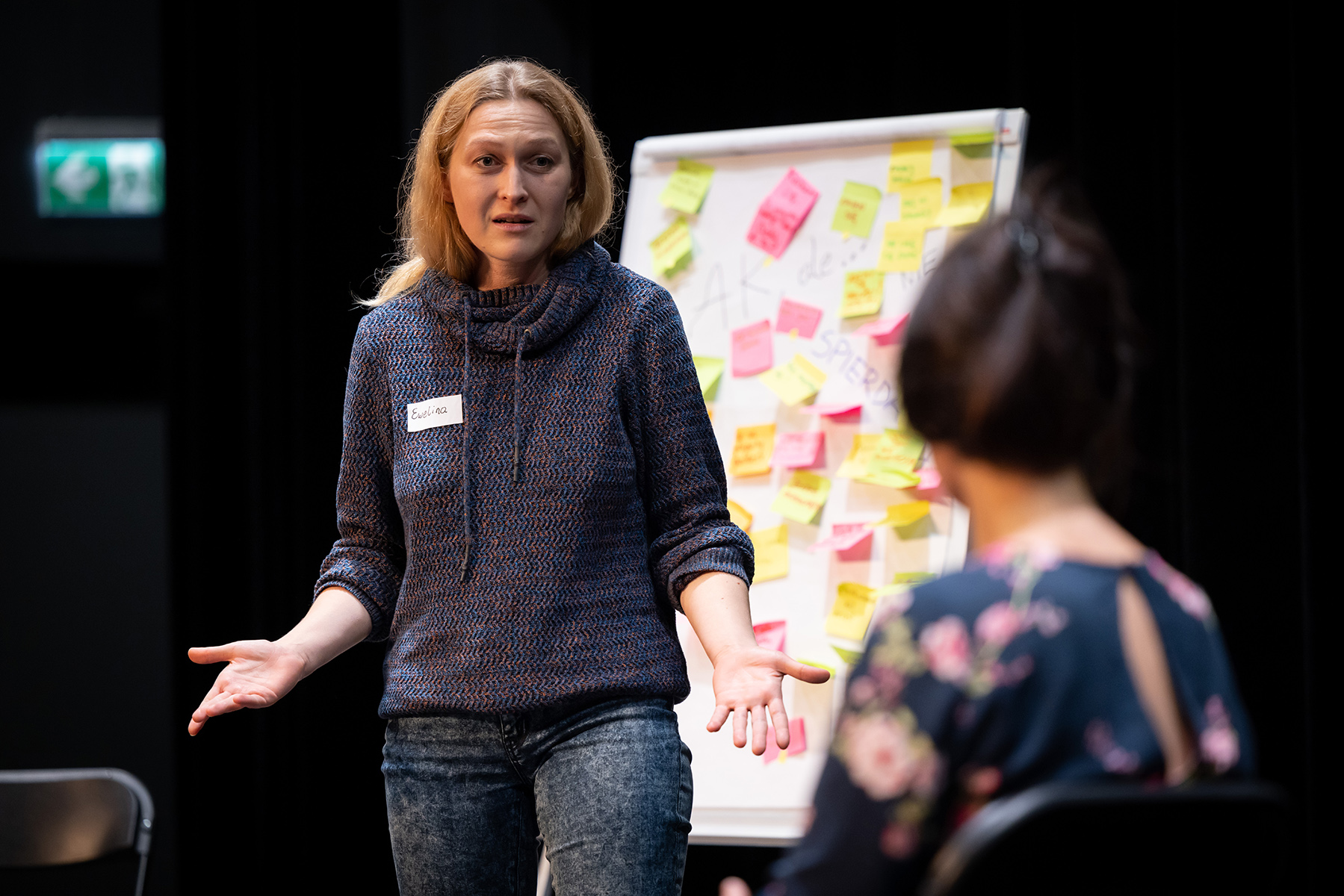
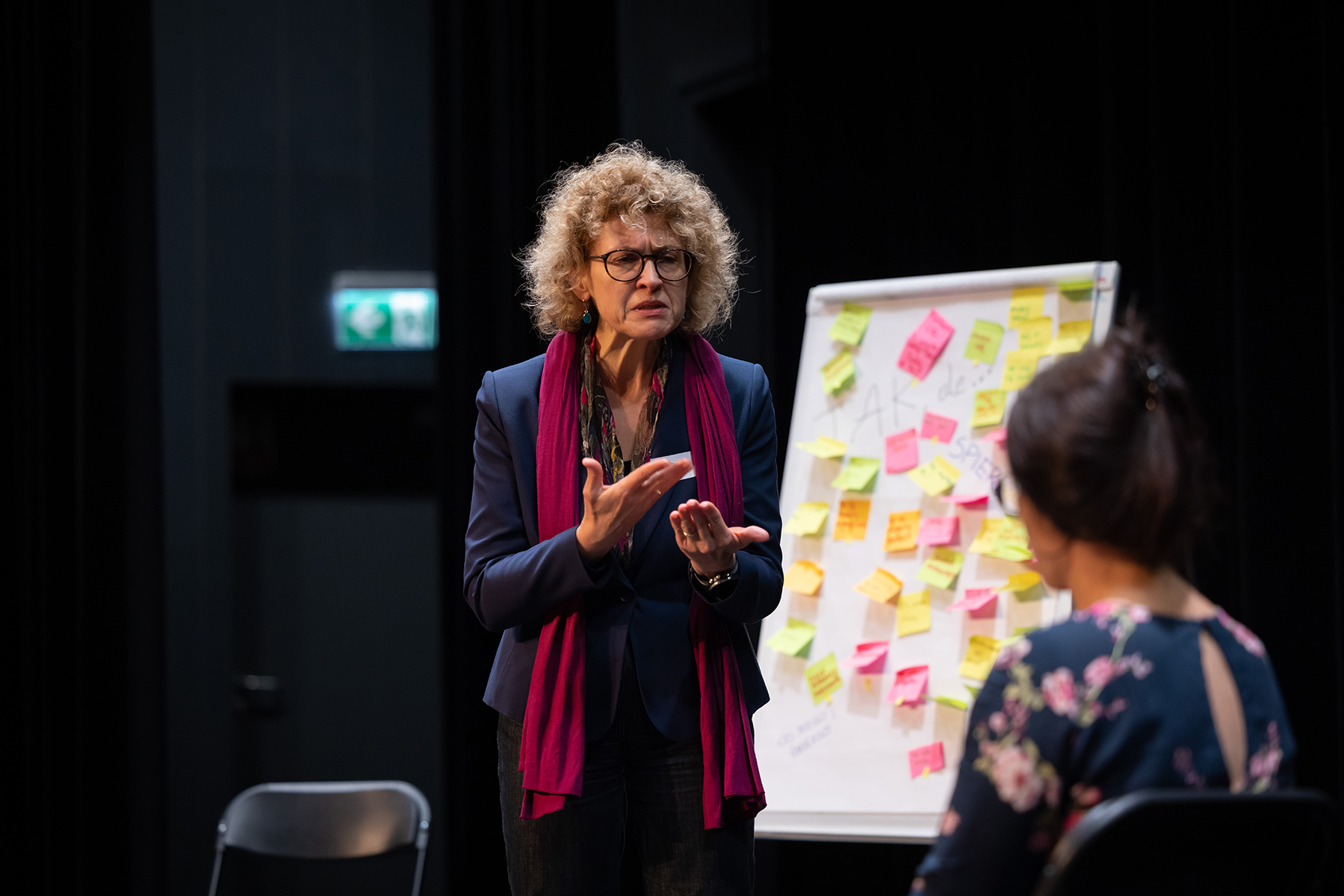
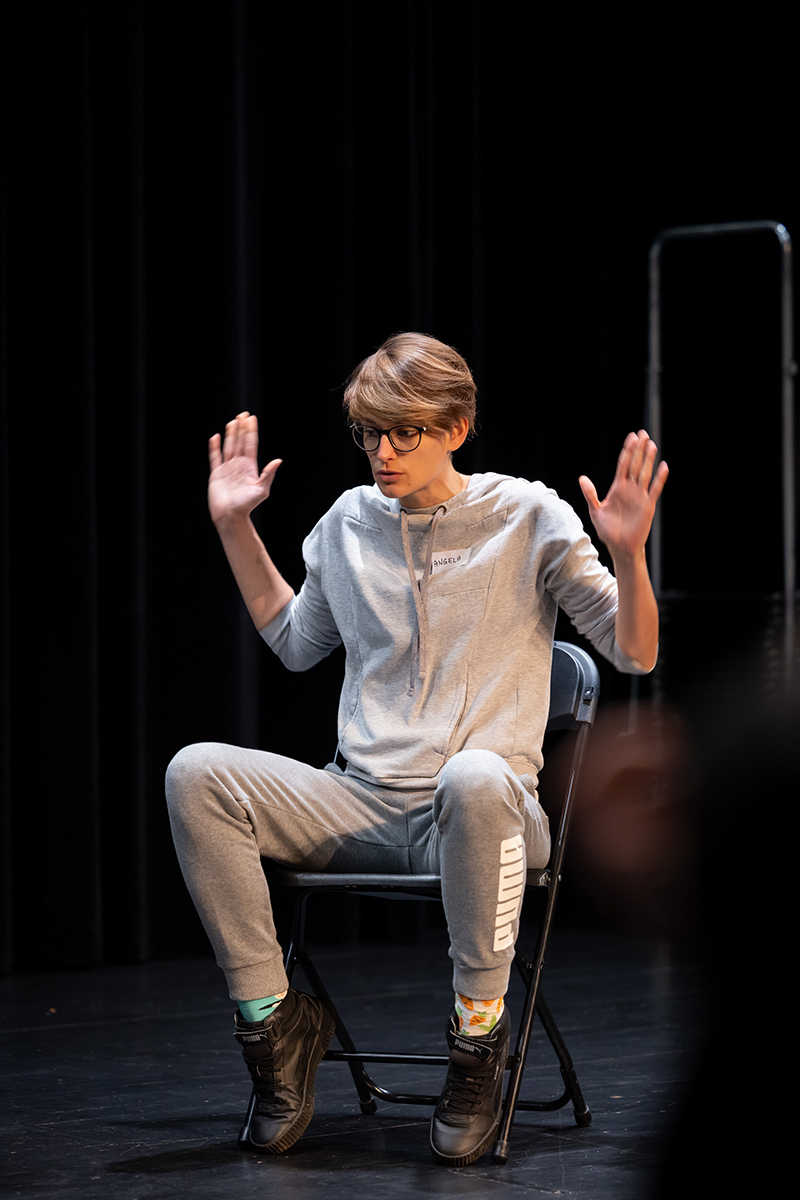
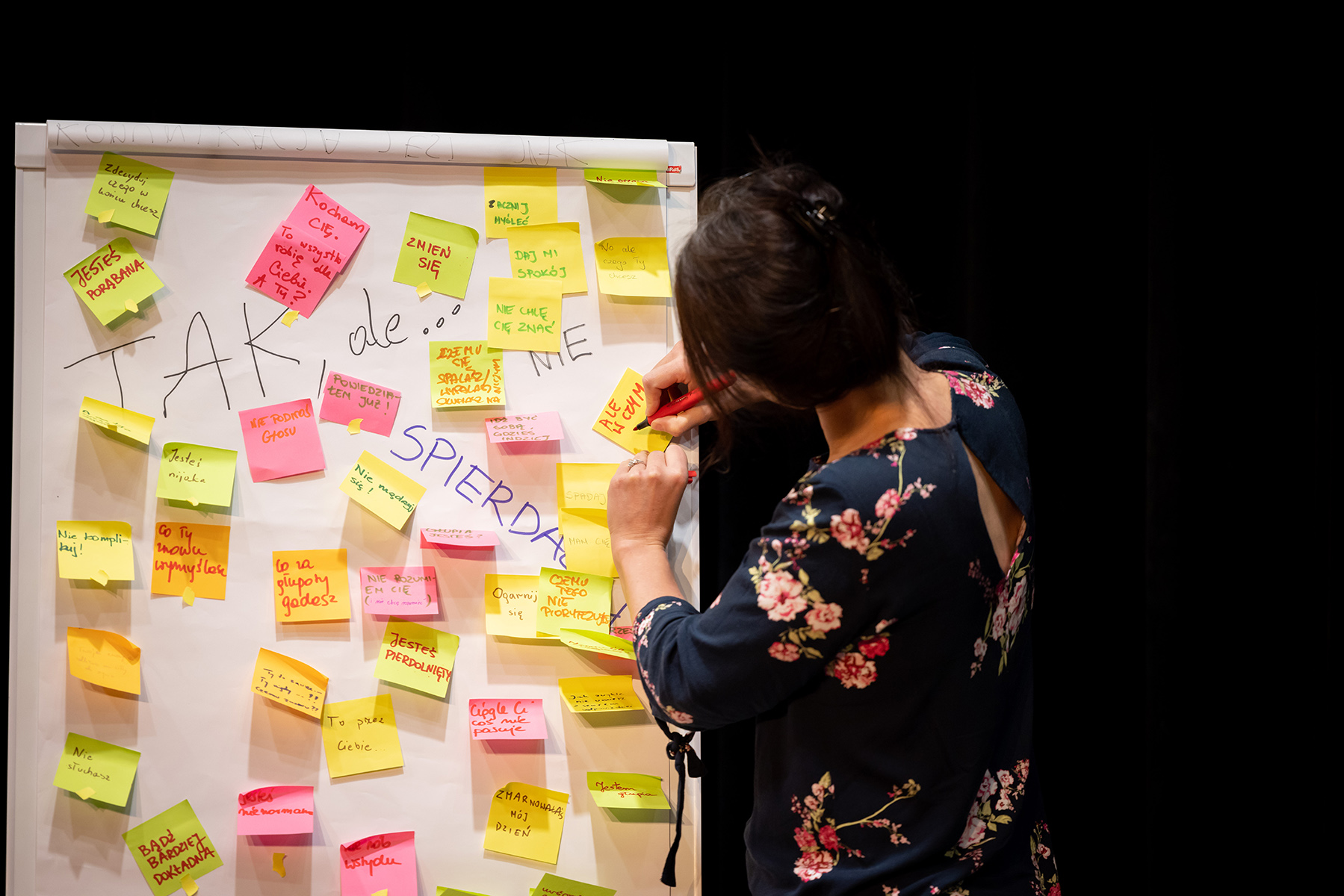
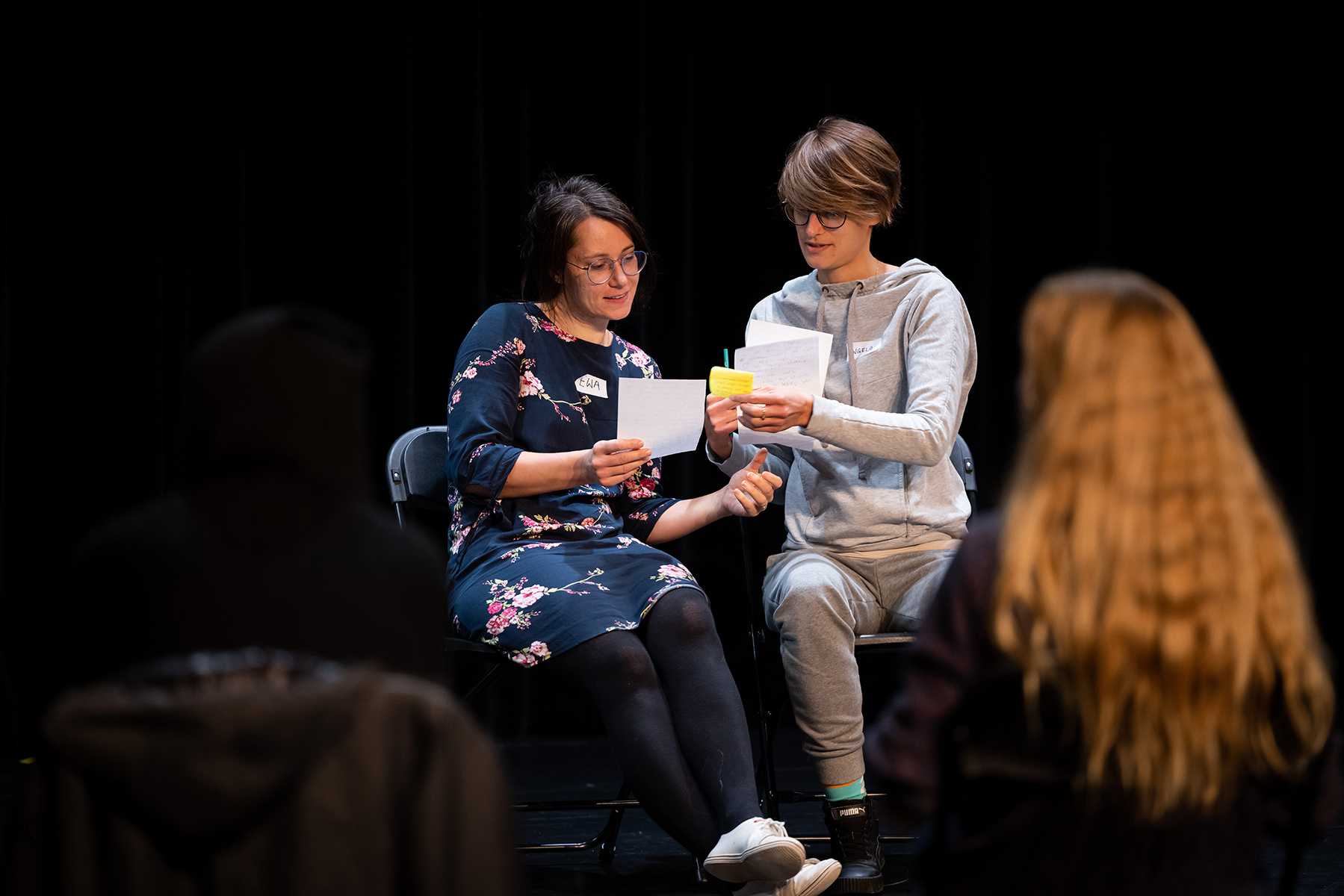
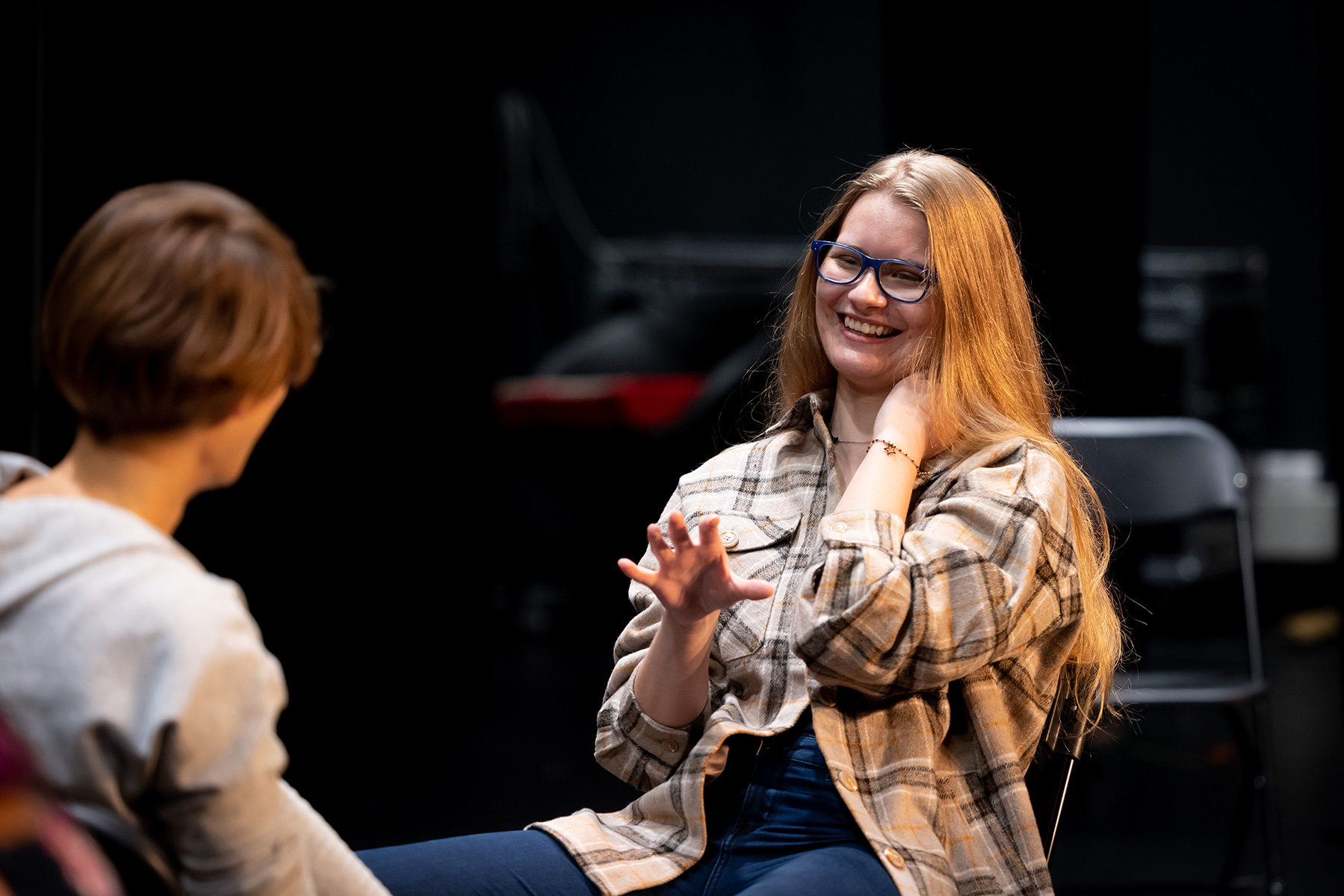
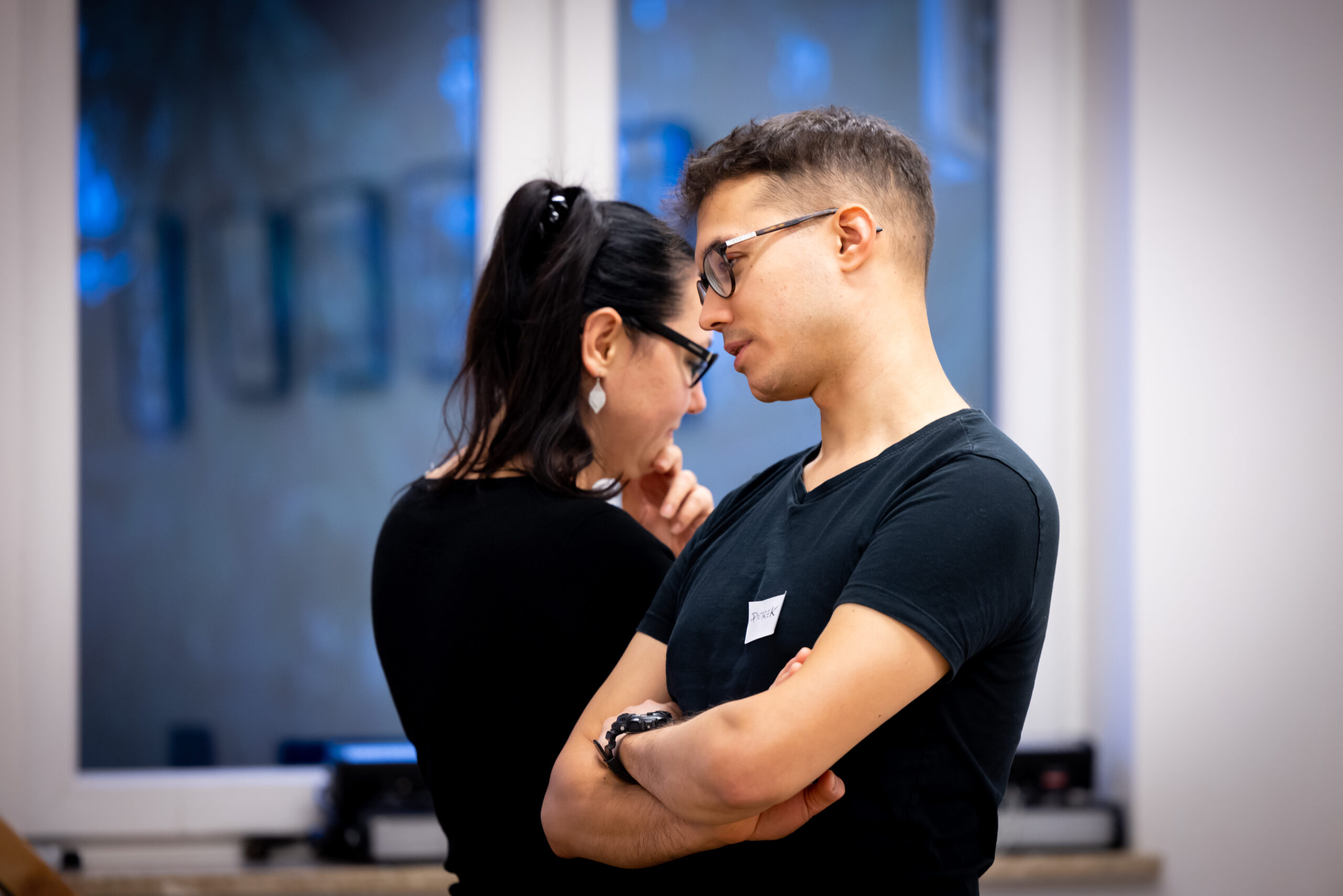
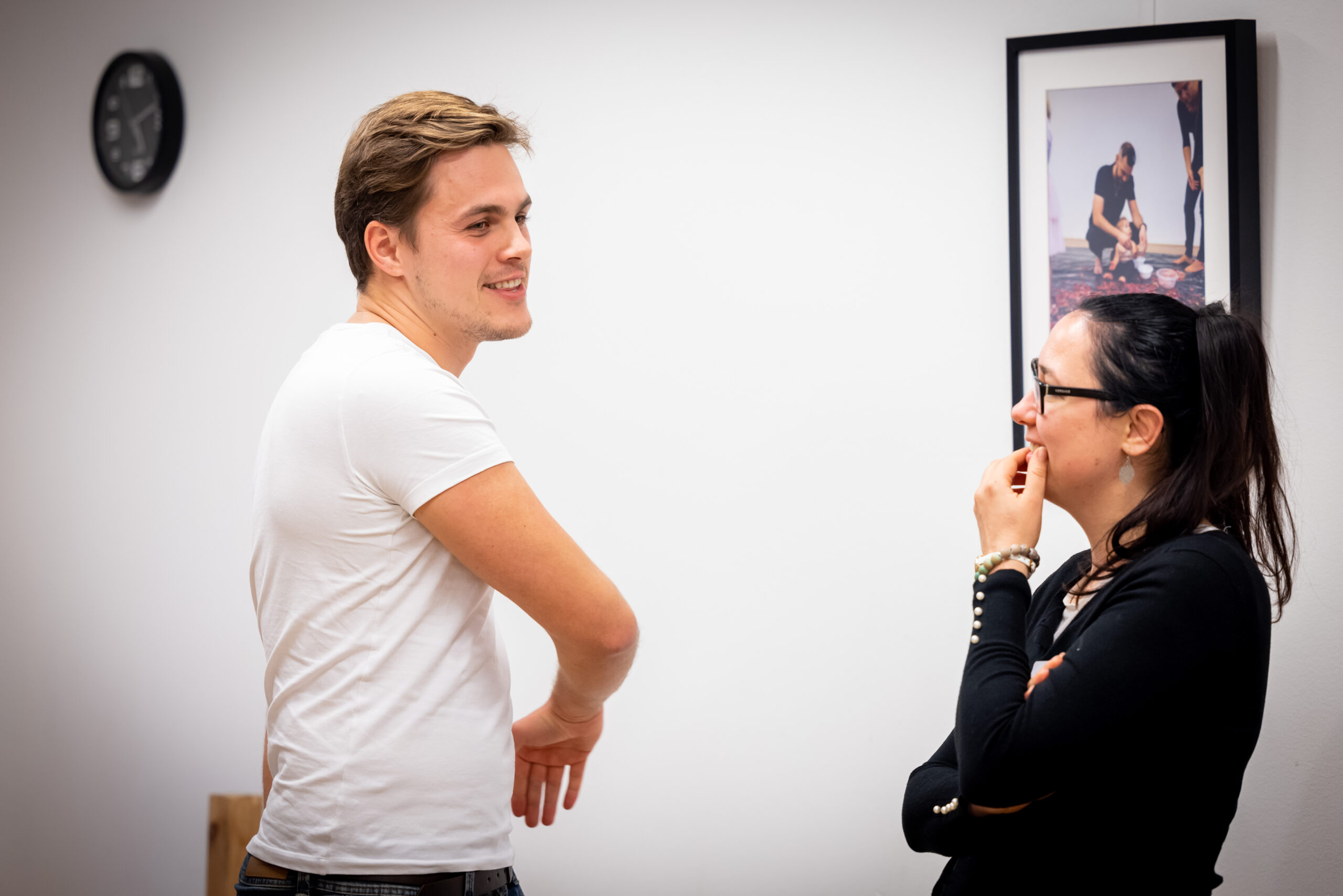
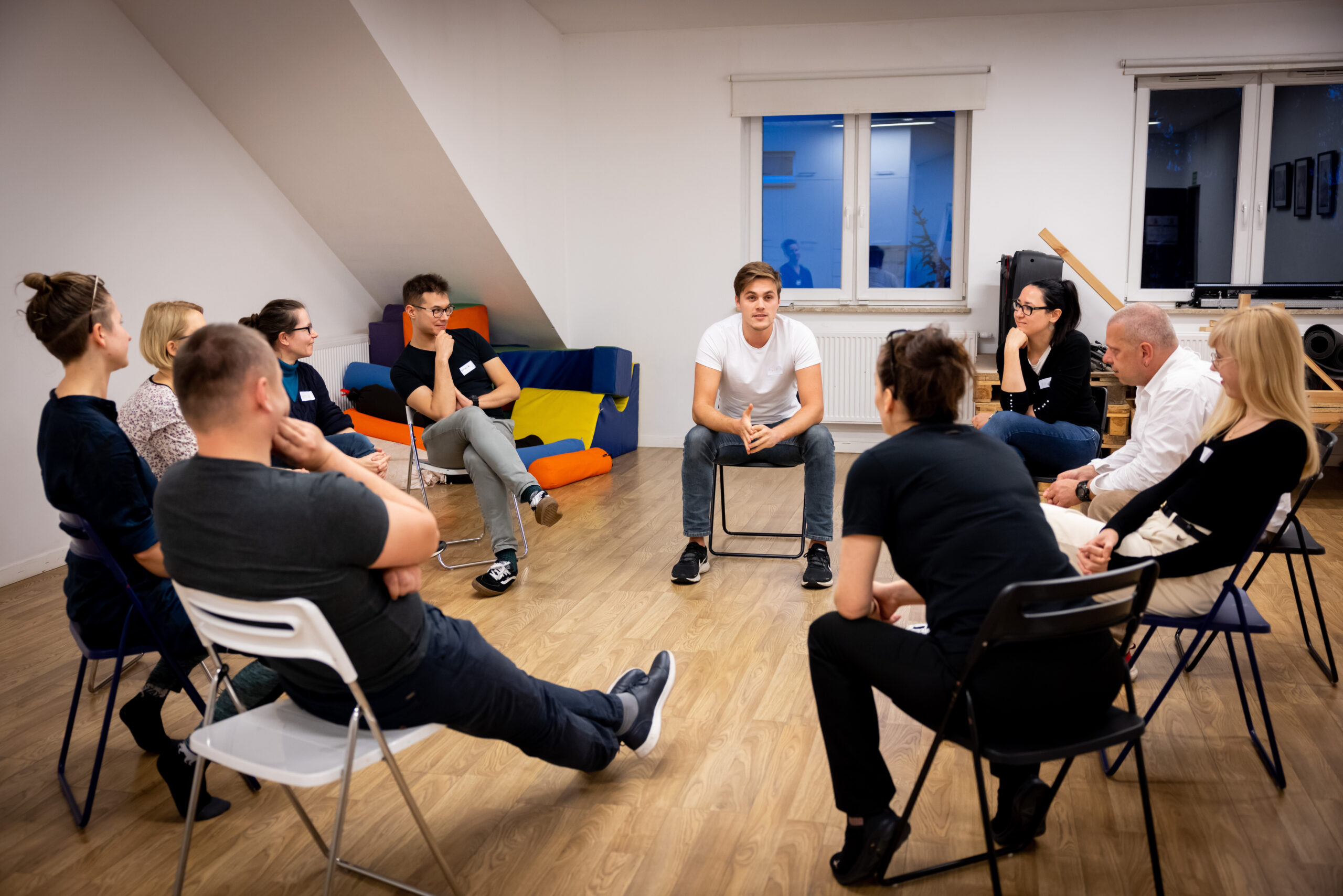
Workshop 1: Is what (and how) we say the result of a conscious intention or duplication of overheard patterns and language clichés that occupy our everyday life? Is the language of resentment imprinted in our social DNA? “Masks are falling” is a performative training in empathic communication, a two-day workshop devoted to empathic communication with the use of dramatic, theatrical and performative tools. During the workshops we collected and processed (positive and negative) messages, looking at how they affect us. Building and improvising dialogues, assuming roles that we often know from our personal experience – we observed how our language habits affect our well-being and our message.
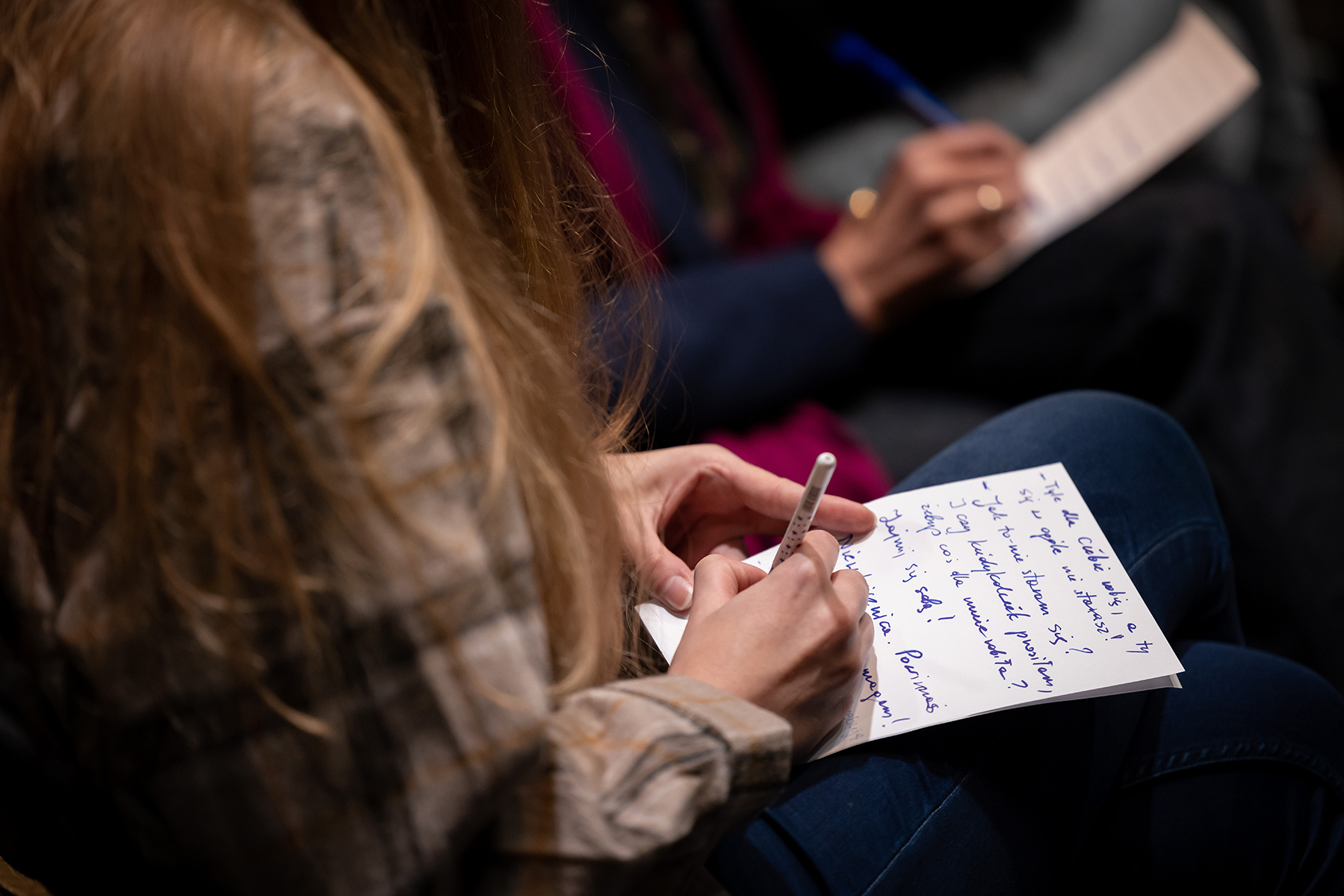
Workshop 2: Using theater and drama exercises and relaxation techniques, the participants jointly searched for methods to create/extract/reveal a story, anecdote, poem and other forms of expression. One of the tangible effects of the classes was a physical mailbox – as an object of exchange of thoughts – in which there were anonymous letters addressed to anyone who would find it necessary to listen to the story of a stranger.
- Learning objectives
Workshop 1: The goal of the workshop was to deepen reflection on communication styles, but also to sensitize to empathic communication and the development of creativity using the tools of drama and theater.
Workshop 2: The aim of the workshop was to deepen reflection on communication styles and narrative strategies
- Digital materials to be used
Workshop 2: voice recorder – part of the story was recorded and later saved, which allows you to keep the colloquial and natural style of a private story (we record and listen to it).
- Other important information
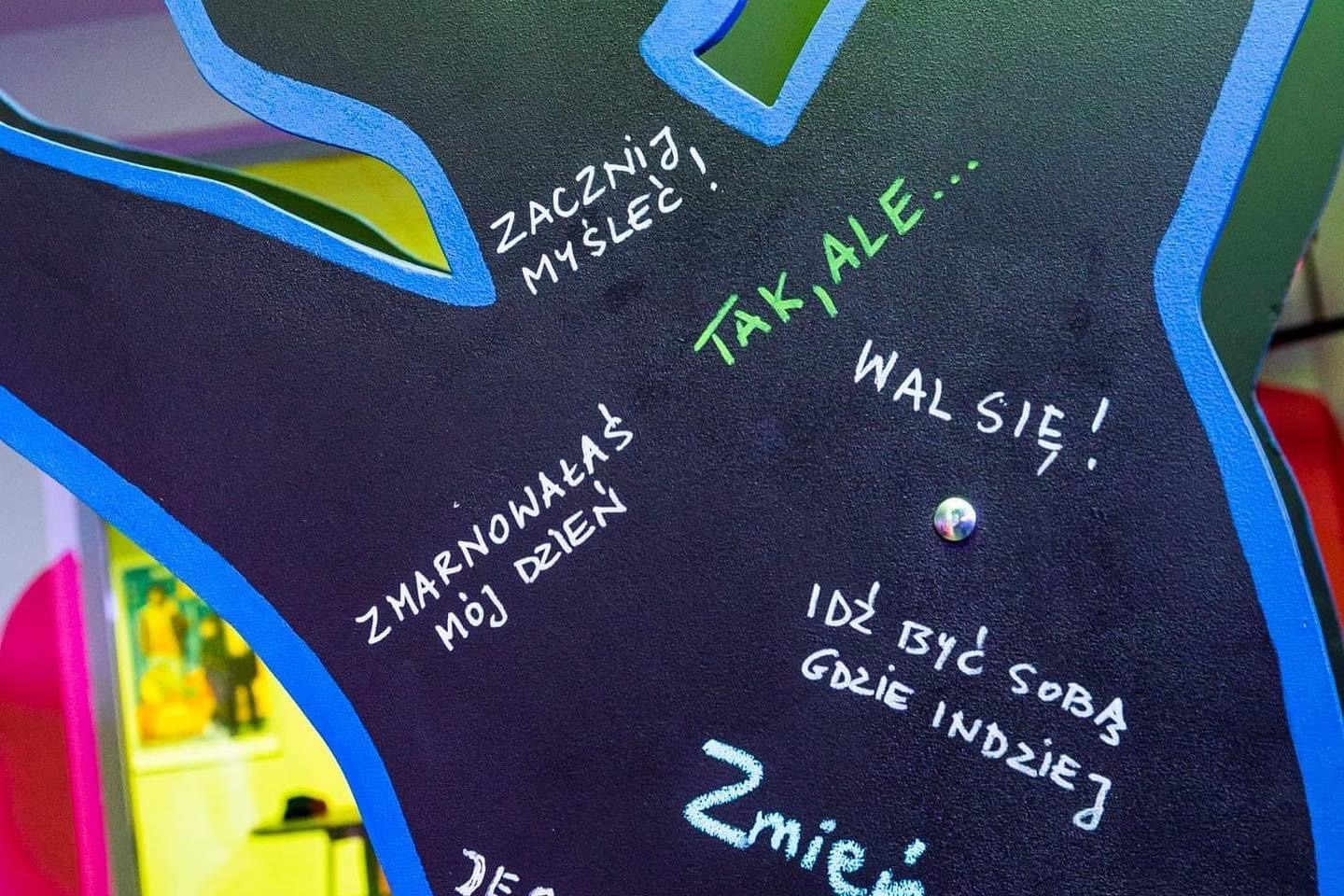
The goal of the workshop was to deepen reflection on communication styles. The effect of the workshops and their continuation is an open, interactive social and artistic installation in the space of the Białołęcki Cultural Center with the slogans collected during the workshops, which made up the panorama of what in language closes us and what strengthens us.
- Online
In a limited form, workshops can be held online, although they would certainly lose a lot without direct exchange of experience and energy. In the online formula, typical drama parts based on scenes in direct contact would have to be abandoned. With the help of tools and programs for internet meetings and training, we can try to conduct an online variation of the workshop, connecting participants to virtual rooms, handing out tasks remotely and creating common dialogues/slogans/postulates in the virtual space.
How to make it?
- Number and type of staff needed
1 main instructor, 1 artist supporting the process of creating an interactive installation Optional: 1 empathic communication specialist/expert
- Technologies and learning materials needed
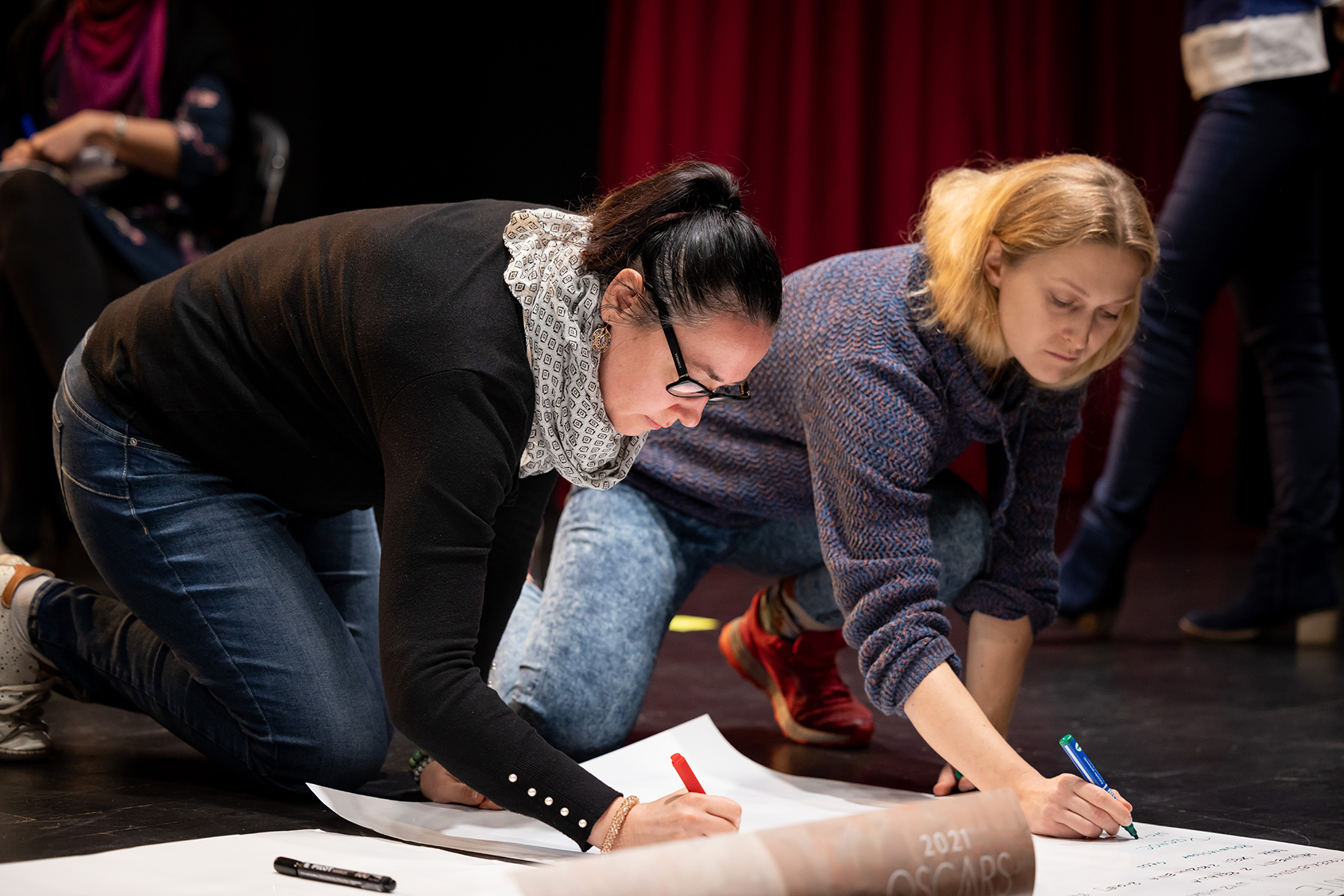
We don’t use multimedia or digital tools in the process. As for analog materials, you will need: markers, felt-tip pens, flipcharts, a supply of large format sheets, sticky notes and materials needed for the final installation.
- Interactive installation
At the end of each workshop, there is an intercative installation of performing art which can be done in a different ways.
See the results of the installation in Poland – PDF presentation.
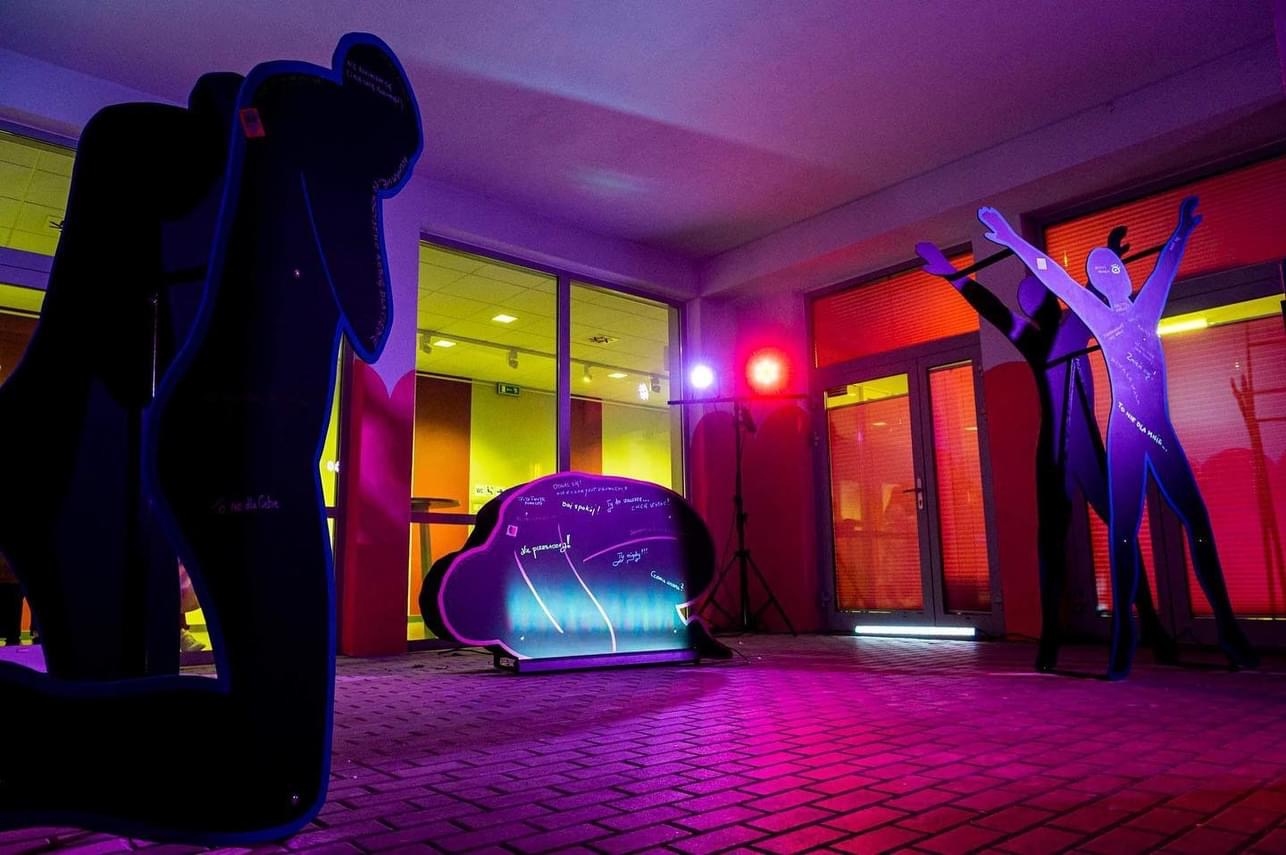
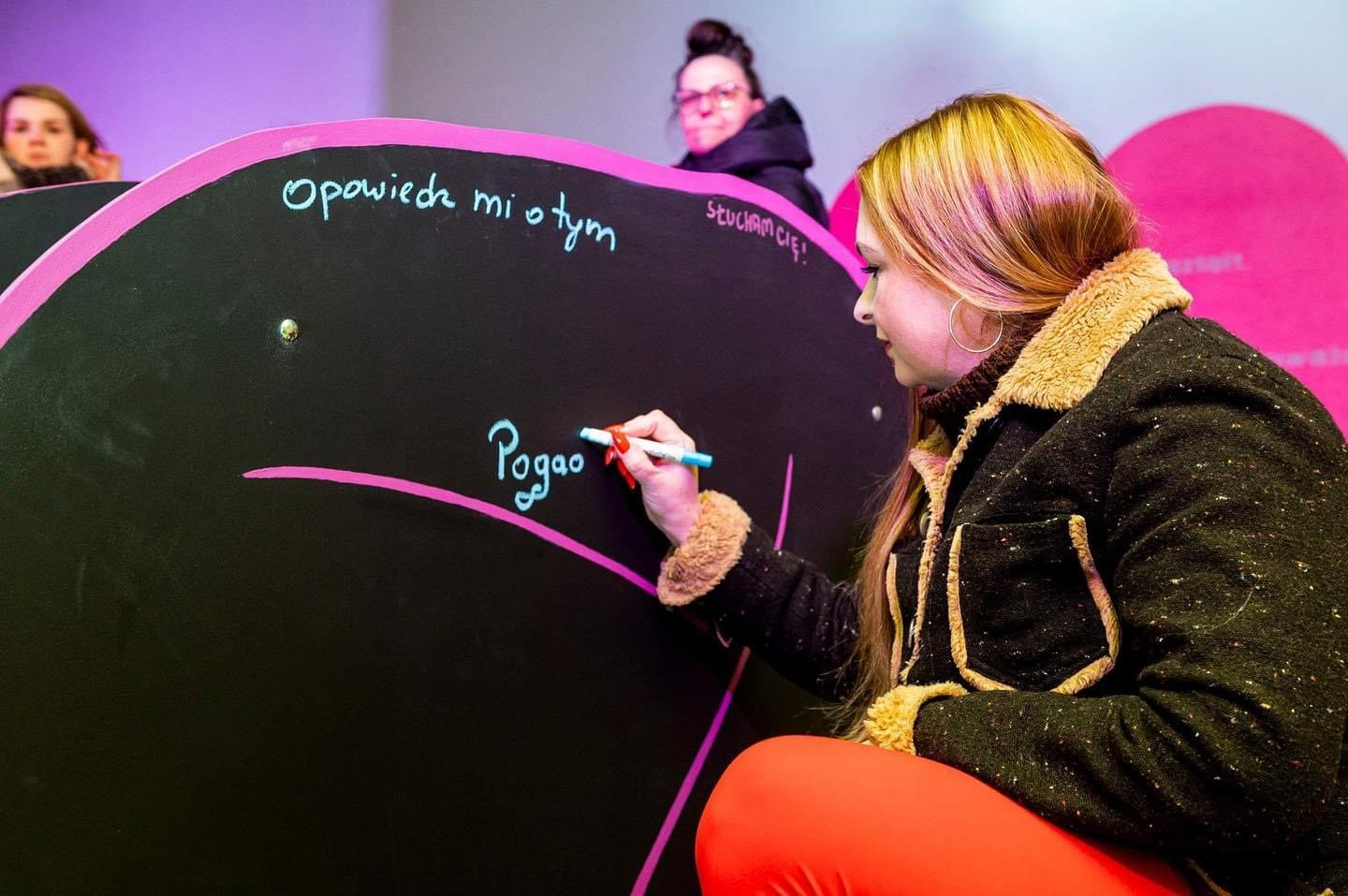
Workshop 1: we proposed to create 3 characters cut out of dicta and covered with blackboard paint, after which the class participants could write their messages. The characters are accessible to the public and anyone can leave their message on it. Other installation ideas – a tree with hanging ribbons, a frame for attaching message cards, a writing board.
Workshop 2: mailbox, into which anonymous stories are inserted. Participants of the workshop left their stories inside. The box is open to the public. Anyone can look in the box take someone else’s letter and leave their own if they want to share it.
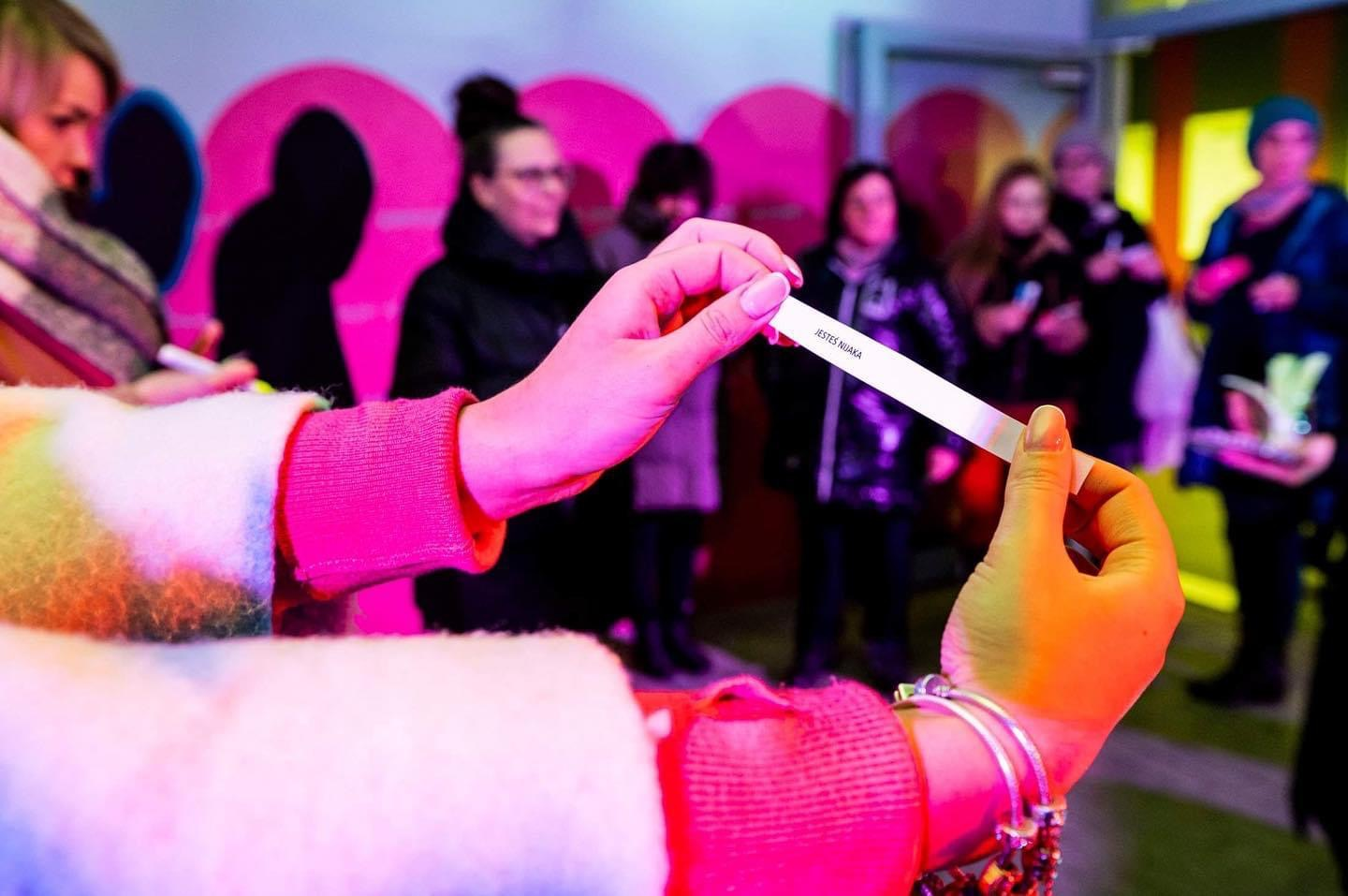
Photorelation from the opening of the installation:
Description (in Polish) and example of exercise:
Offer 1:
Offer 2:
Installation:
- Which preparatory work is required
When the schedule is ready, it is worth taking the time to reach the appropriate profiled social groups with the offer, survey their needs and interest in the topic.
A separate time is needed to organize the materials for the installation (depending on the level of complexity and the tools used).

- Evaluation
All evaluation methods are good – it is important to skilfully combine them and select them according to the needs of the participants, group dynamics, etc. After the workshop is over, it is worth asking to fill out the questionnaire – where, apart from the summary and statistics, there will also be room for loose answers of the participants regarding the workshop/offer. It is worth using online tools and sending an electronic, anonymous survey right after the workshop, which is more convenient and faster for most users to complete. Such a tool also allows you to sum up and analyze the answers sent, evaluate the report and keep statistics in this area (we used the survio.pl website)
Question: Would you organise the workshop on Saturday evening?
video in Polish:
- Feedback of the participants
It is important to evaluate the project while it is still in progress, to find time to ask the participants what they expect before the start – and to revise their needs and preferences on an ongoing basis (the scenario of the workshop assumes a short evaluation after each day). After the workshop, participants’ feedback and a summary of the workshop in the form of a conversation should be taken into account. It is worth maintaining the group’s energy capital, which is usually generated in this type of workshop. The process of working together – even if it’s short, it brings people together. Typically, the participants want to continue working in the group. In our case, the way to continue and continue was the installation, which was the next stage of the workshop and to which each of the participants added their „brick”. Such an installation can be on a macro or micro scale – it is important to give the participants a chance to get involved in the creation of this exhibition, so that they can influence and shape it.
- Photos
Images: ©Alijca Szulc
Videos: ©Monika Valleton
Graphic design of masks: ©Emilia Mariańska